
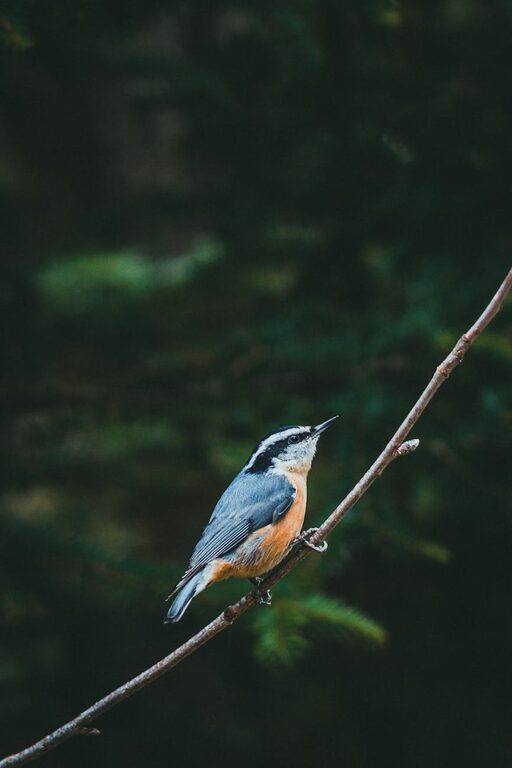
Birdwatching is a peaceful and rewarding hobby that connects you with nature right in your own backyard. Whether you live in the city, suburbs, or countryside, observing birds can bring joy, relaxation, and a chance to learn about local wildlife. If you’re new to birdwatching, this guide offers simple tips to help you get started and make the most of your birdwatching experience.
Why Start Backyard Birdwatching?
Birdwatching is accessible and inviting for people of all ages. It requires minimal equipment, and you don’t need prior knowledge to begin spotting beautiful birds. By attracting birds to your yard, you can enjoy subtle moments of nature, enhance your awareness of your environment, and even contribute to citizen science by reporting sightings.
Essential Equipment for Beginners
Starting birdwatching doesn’t require fancy gear. However, having a few basic items can enhance your experience.
– Binoculars: A good pair of binoculars helps you see birds clearly without disturbing them.
– Field Guide or Bird App: These tools help you identify birds by appearance and calls.
– Notebook or Journal: Recording your sightings can improve your observation skills.
– Bird Feeder: Attracts birds by providing food, increasing your chances of close encounters.
– Camera (optional): Capture photographs of birds for memories and identification.
Setting Up Your Backyard for Birdwatching
Creating an inviting space for birds will encourage them to visit regularly.
Provide Food Sources
Different birds prefer different foods. Common choices include:
– Seeds: Sunflower, millet, and safflower seeds attract a variety of birds.
– Suet: Fat-rich suet cakes are great for woodpeckers and nuthatches.
– Nectar: Hummingbirds are drawn to sugar water in specialized feeders.
– Fruit: Offer slices of oranges, apples, or berries for thrushes and orioles.
Offer Water
Birds need fresh water for drinking and bathing. You can set up:
– A shallow birdbath with clean water.
– A dripper or fountain to keep water moving, which attracts more birds and prevents mosquitoes.
Create Shelter
Natural cover provides birds a safe place to rest and hide from predators.
– Plant native shrubs, trees, and flowers.
– Leave brush piles or install birdhouses for nesting.
Best Practices for Watching Birds
Be Patient and Quiet
Birds are easily startled. Move slowly, avoid loud noises, and find a comfortable spot to watch without disturbing them.
Observe at Different Times
Bird activity changes throughout the day. Early mornings and late afternoons are often the best times for sightings.
Use Your Senses
Listen for bird songs and calls, as these can help you identify species even if you don’t see them immediately.
Keep a Bird Journal
Write down what you observe, including the type of bird, behavior, and environment. Over time, you’ll develop better identification skills and enjoy tracking changes through the seasons.
Learning to Identify Birds
Identification can seem challenging at first, but it becomes easier with practice.
– Focus on size, color patterns, and behaviors.
– Note distinctive features like beak shape, wing markings, or tail length.
– Use apps with photos and sound recordings to assist.
– Join online forums or local birdwatching groups to learn from others.
Additional Tips for Enjoyment
– Start Small: Begin with common birds in your area before seeking out more elusive species.
– Respect Wildlife: Never try to touch or capture birds. Maintain a safe distance.
– Keep Feeders Clean: To prevent diseases, clean feeders and birdbaths regularly.
– Be Consistent: Regular observation times help you notice patterns and bird habits.
Conclusion
Backyard birdwatching is a wonderful way to connect with the natural world and find calm in your daily routine. By setting up a welcoming environment, practicing patience, and staying curious, you’ll soon enjoy the fascinating variety of birds visiting your yard. Happy birdwatching!
—
Feel free to share your birdwatching experiences or favorite bird species in the comments below!